7 Signs You’re Actually Meditating Correctly

Sheenam Midha
Writer
March 27, 2026 · Updated March 27, 2026
One evening, I came home exhausted from the office and sat down for my usual meditation session. Two months into my practice, a question suddenly popped into my head: "Am I actually meditating right, or am I just sitting here pretending?"
That moment of doubt hit harder than I expected. Was I doing this correctly, or had I been fooling myself this whole time?
If you've felt this way lately, you're not alone. This is hands-down the most common question novice meditators ask themselves after every session. It’s completely normal to think this way.
Here's what I've learned: There is no single perfect way of meditating. However, there are definite indications that demonstrate that your practice is headed in the right direction. These can be used whether you are two weeks into or two years into your meditation journey to make you realize that yes, you are on the right track.
You're Showing Up Consistently (Even When You Don't Feel Like It)
The initial indicator that you are meditating properly? You keep coming back.
There are days when meditation is magnificent. And you are a hamster in your thoughts, on other days. But when you are constantly sitting, even when you think you have no point to make, then you are already a winner.
Why consistency matters more than perfection: Meditation is not about the attainment of some mystical state daily. It is all about creating a routine of appearing to yourself. Imagine that it is as natural as cleaning your teeth. You do not analyze whether every time you brush your teeth, it was a good or a bad session- you do it.
It has been found that meditation, as little as 10-15 minutes per day, can help form new neural circuits in your brain in only six months. Each session is a good one, including the wild ones.
You Notice When Your Mind Wanders (And That's Actually Progress)
"My mind keeps wandering. Am I meditating wrong?"
Nope! This is, in fact, one of the most obvious indications that you are meditating in the right way.
The entire purpose of meditation is never to cease thinking; it is merely to be aware of being lost in thinking. Whenever you find yourself thinking about your shopping list or repeating what was said yesterday, the very fact that you are doing this is the practice at work.
Here's what's happening: You are working your attention muscle. Whenever you find yourself drifting, and then picking yourself up and getting back to your breath or whatever your point of focus, you are literally training your brain to control attention. That's meditation in action.
And these thought-drift cycles will occur at a faster pace over time. You would be able to stop halfway through your thought process rather than five minutes later. That's growth.
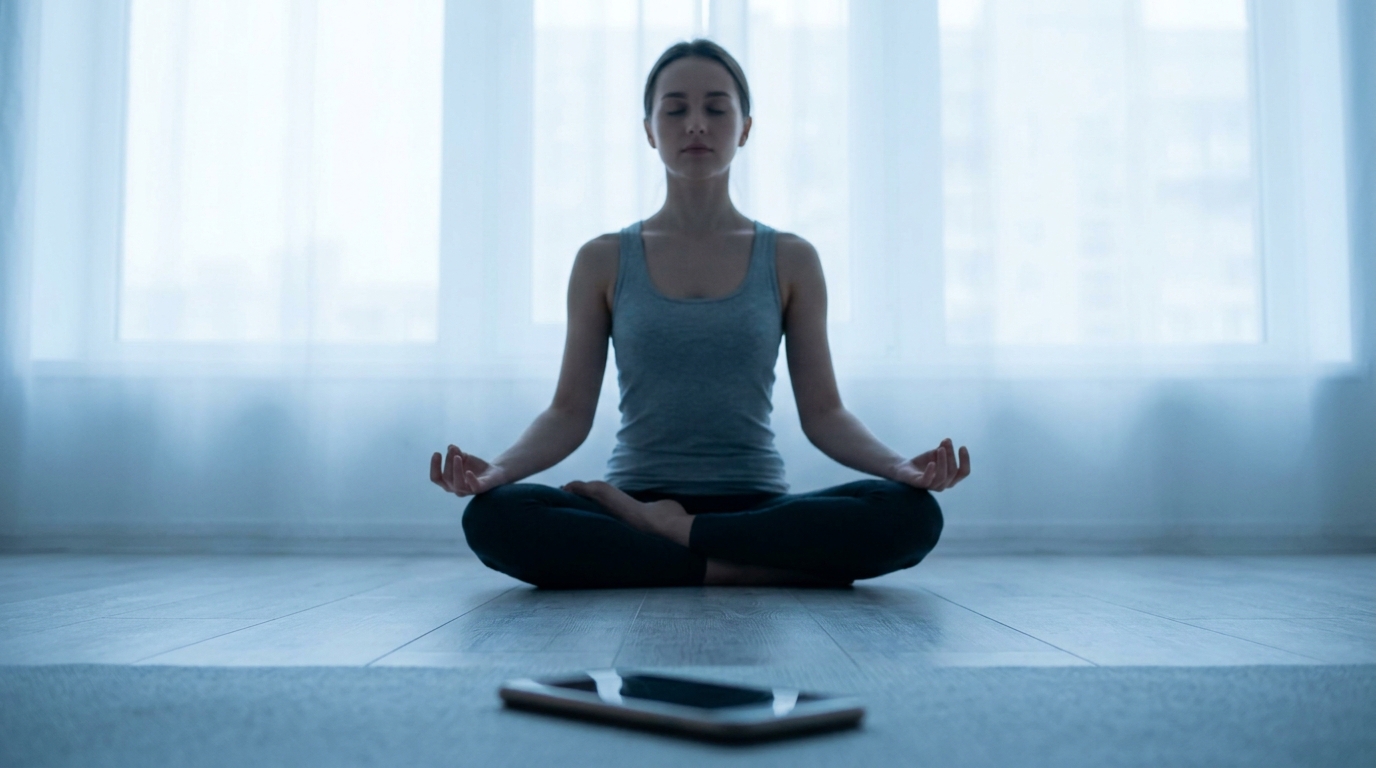
You're Less Reactive in Daily Life
This is where meditation comes into play- in the way you are going to deal with the mess of daily life.
Have you realized that there are traffic jams that are no longer as triggering to you? Or perhaps that remark of a colleague that would now have destroyed your day hardly comes through? Such minor changes are giant indicators that meditation is taking effect.
What's changing: Meditation forms a limited distance between stimulus and response. That irritating experience does occur, but you are no longer automatically carried away by your initial emotional response. You pause. You breathe. You make your choice and do not only react.
This does not imply that you are changed into an emotionless and passive person. It equates to a person dealing with stress more graciously and deciding more effectively in stressful situations. It is where meditation forms a sweet spot.
Your Sleep Quality Has Improved
Your meditation session earns you a reward, in case you are falling asleep more quickly or even when you are getting more rest in a waking state.
Meditation is regular, as this will sharpen our minds down to the mental chatter we are currently so used to, staring at the ceiling at 2 AM. Thought processing and emotion processing in your practice is letting your mind work less at night.
Bonus benefits: A lot of meditators also report that they do not need to drink as many cups of coffee, their energy is more stable during the day, and they heal faster after falling ill. The reason is that meditation lowers cortisol (your stress hormone) and helps boost your immune system.
Even before your mind catches up, your body knows when meditation is working.
You've Stopped Judging Your Meditation Sessions
Do you remember rating every meditation? It was great yesterday and terrible today. Maybe I'm not cut out for this."
When that voice has been put to silence, then--congratulations, you are meditating properly.
Why this matters: By not comparing practices or pursuing what you consider an ideal meditation, you have learned an important thing: no sit is wasted. There will be days when you are relaxed and concentrated. On other days, your meditation will be as though milking cats. They are both equally rewarding since you ensured you turned up and practiced.
This is supported by the research: change that is consistent with time brings long-term change, no matter how the individual sessions appear. The brain is developing new patterns even when it does not appear to be changing at the time.
You're More Aware of Your Body
Have you also begun to experience tension in your shoulders when meeting stressful situations? Or had a breath of you, that you knew not? This physical consciousness is a gorgeous indication of meditation functioning.
What's happening: Meditation enhances the relationship that exists between your mind and your body. Your sensitivity to physical sensations is increased, and thus you get to know when you are stressed and act before it accumulates.
It is also observed by many that they are sitting straight, breathing deeper all through the day, or just tend to lean towards healthier lifestyles. It is because your body is recalibrating, and you do it through meditation.
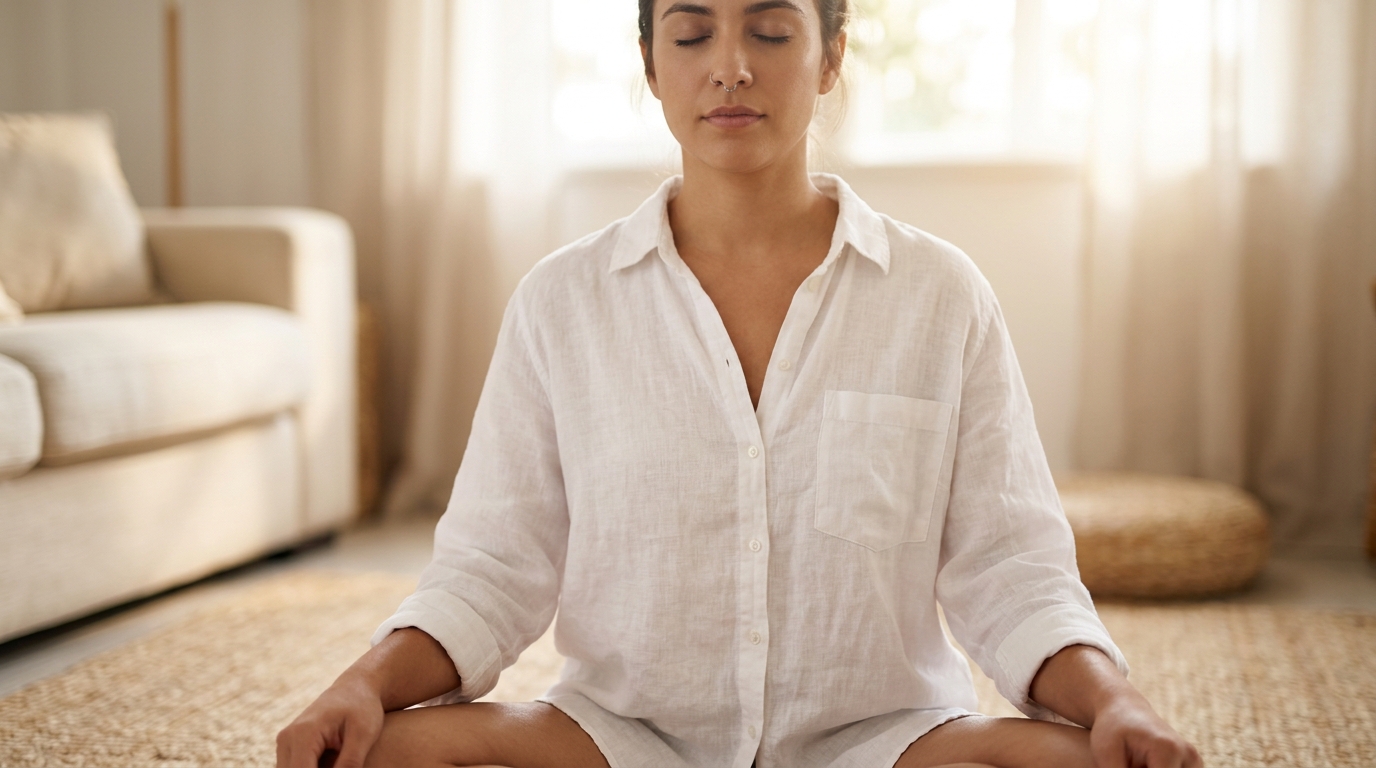
Small Annoyances Feel... Smaller
Perhaps this is the most feasible of all signs. Things that would totally wreck your day before, slow internet connection, a late train, a person jumping queues, they still occur, but they are not as impactful as they used to be.
You are thinking, well, that is annoying, and then you simply pass on. No spiraling. No hour-long mental rants. Simply recognition and discharge.
Why this is huge: This means that meditation has indeed altered the way your brain processes frustration. You are not holding back feelings or ignoring that things are not bothering you. You are really different from them.
This is not merely the meditation at work, but meditation that is changing the way you look at the irritations of life.
Am I Meditating Right? Yes, If You Recognize These Signs
Should this or one or two of these signs speak to you, then you have the right direction. Meditation does not have a goal of attaining some thoughtless state. It involves being there, being conscious and letting the benefits take their time.
The bottom line: Meditation tends to move forward in a slow and gradual manner. You may not achieve dramatic aha moments (however, they may occur). Rather, you will find life a little bit lighter, responses more controlled, and it is much easier to handle the stress.
Those quiet shifts? They are evidence that your meditation process is going in the right direction.
Keep Going—You're Doing It Right
Even now, you are wondering, Am I meditating properly? This is your answer: when you are appearing regularly, you can perceive your thoughts without judgment, and you can see any positive changes in your everyday life, even the smallest ones; then you are meditating correctly.
It is not about perfection in the practice. It's about presence. It has to do with developing a connection with your personal mind, one breath at a time.
Then, deep breathe, drop the scepticism of self and put faith in the process. Even when it is not being felt to be working, your meditation is doing so. The evidence will manifest itself in your life at a time when you will think the last thing to do until your final breath-which is just how it is supposed to be.
You are meditating well when you are making regular appearances and not focusing on your thoughts judgmentally. It is not about the blank mind but the improvement of awareness and the positive changes in daily life, such as stress reduction and the rise of emotional control.
Indications of deep meditation can be losing a sense of time, having a profound sense of complete relaxation but alertness, feeling a loss of physical sensation, and a state of having thoughts that are dissolved spontaneously. You may also find that you breathe in and out very shallowly and gradually, or experience an almost deep peace and lack of connection with the surroundings.
You can begin by sitting upright and straight back, closing your eyes, and attending to your natural breath. When your mind is away (and it will) kindly shift your mind to your breathing, but without blaming yourself--returning is what the practice will be, and even 5-10minutes a day is sufficient to begin with.
Meditation decreases stress, anxiety, enhances concentration and focus, emotional regulation, and increases the quality of sleep. And the regular practice can make the blood pressure lower, the immune system stronger, make the person more self-aware, and enable him or her to react to life challenges with more composure and mindfulness.
Novices are advised to begin with 5-10 minutes a day and then proceed with adding more time to 15-20 minutes as time goes on. It has been found that although duration is not so important, consistency can produce considerable changes in the brain with only 10-15 minutes of practice every day, and even less in only 6 months.